The Science of Forest Therapy: What Nature Does for Your Nervous System
There is something that happens when you step into the trees.
Your shoulders drop a little. Your breath gets longer. The noise in your head gets quieter. You might not even notice it right away. And you probably can't explain it.
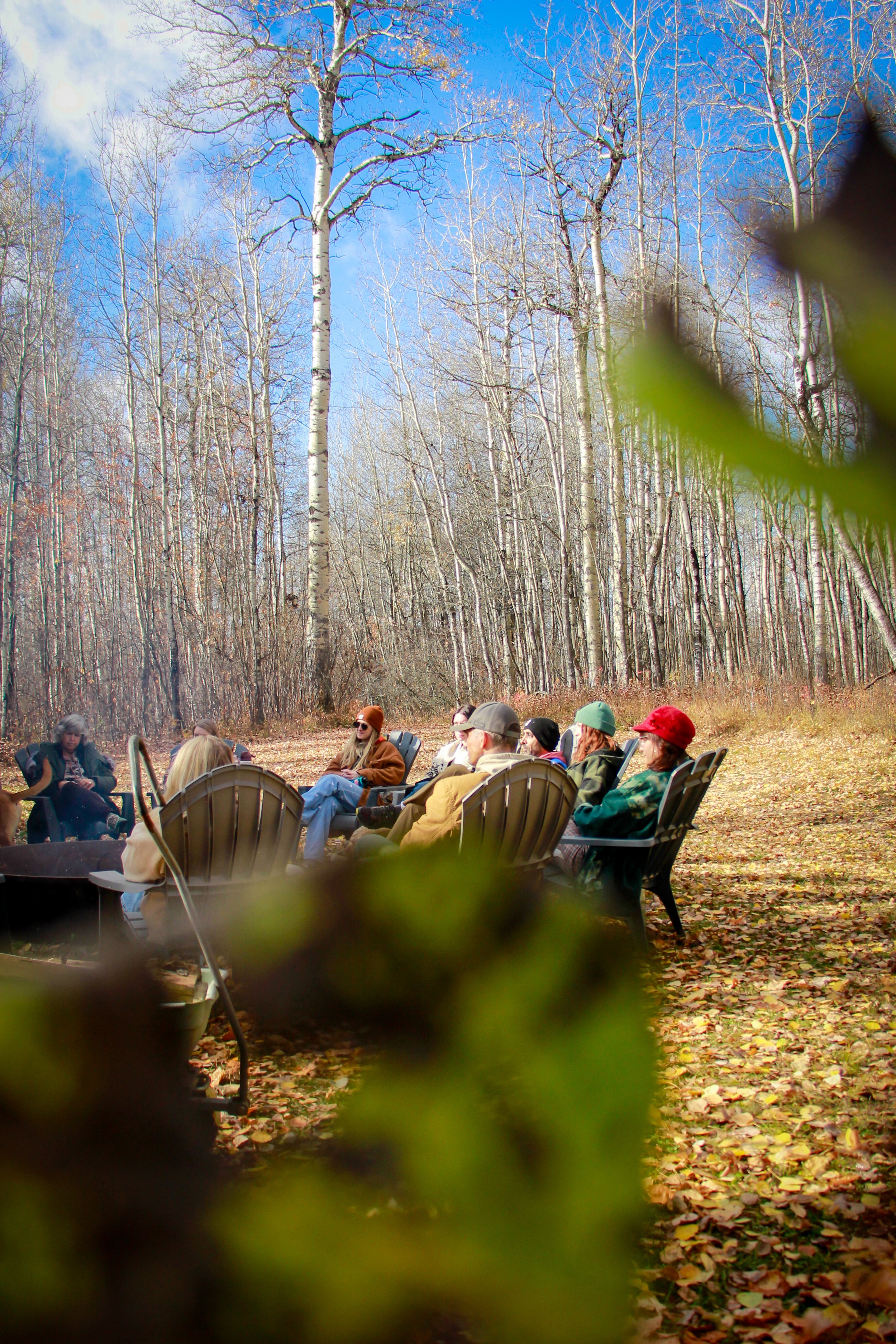
Most people write it off as "getting outside." A nice walk. A mood boost. Something pleasant that doesn't really count as medicine.
We'd like to offer a different perspective.
What you're feeling isn't just a mood boost. It's your nervous system doing something it was built to do.
Your body isn't waiting for you to figure this out
The nervous system is always listening. It scans your environment for cues of safety and threat without asking for your permission. It doesn't need you to be "mindful" or "present" for it to do its job.
When you're in an overstimulating environment, your system tends to stay alert. Screens, notifications, noise, deadlines, full inboxes. None of these are emergencies, and yet your body can't always tell the difference. Over time, that steady hum of alertness starts to feel normal.
The forest disrupts that pattern. Not because it's magical (although it feels it!). Because it offers the exact sensory input that signals safety to a human nervous system.
Soft light filtered through leaves. The sound of wind and water. Uneven ground that asks your feet to pay attention. The smell of soil and pine. These aren't luxuries. They're cues your body understands at a level deeper than language.
What the science actually says about forest bathing
We want to be honest with you: we are not here to overpromise. And we are also not going to pretend the evidence doesn't exist.
The Japanese government has been funding research on Shinrin-yoku - forest bathing - since the 1980s. A landmark study measuring 280 participants across 24 forests found that just 15 minutes of forest exposure reduced cortisol levels by more than 13%. In forest environments, heart rate slows, blood pressure drops, and the nervous system measurably shifts from high-alert states into rest-and-restore mode. These aren't small effects. They're physiological changes that show up in lab work.
Research on immune function is even more striking. Studies found that multi-day forest experiences increased natural killer cell activity - the immune cells responsible for fighting infection and inflammation - by close to 50%. In some studies, those benefits were still present a month later.
This isn't wellness trend territory. It's physiology.
What Amos Clifford has to say about being in the forest
M. Amos Clifford is the founder of the Association of Nature and Forest Therapy and the author of Your Guide to Forest Bathing. His work has trained forest therapy guides in over 60 countries. He describes what research continues to confirm with one simple line:
"The Forest is the Therapist. The Guide Opens the Doors."
Clifford talks about something he calls "monkey body" - the physical counterpart of the racing mind, where the body tightens, speeds up, and braces right alongside our thoughts. Forest therapy, he explains, isn't about covering ground. It's about covering roughly 200 yards over two to three hours, in a kind of radical slowness that your nervous system recognizes as safe. That pace isn't incidental. It's the medicine.
He also speaks about a "slow reveal" - the gradual opening that happens when we stop demanding things of ourselves and simply allow the forest to meet us. For people who spend most of their lives producing, achieving, and holding everything together, that kind of permission can feel almost foreign.
And it also tends to be exactly what the body has been waiting for.
Forest therapy is not a hike
This is where most people get surprised.
Forest therapy, also called forest bathing or Shinrin-yoku, is not about getting your steps in. It's slow. It's guided. And it works through your senses, not your pace.
A guided session might invite you to notice the texture of bark under your fingertips. To stand still long enough to hear what's happening around you. To breathe without an agenda.
That slowness is intentional. It gives your nervous system time to actually shift gears. When we're moving fast, even through beautiful places, the body stays in "do" mode. Slowing down is what creates the opening.
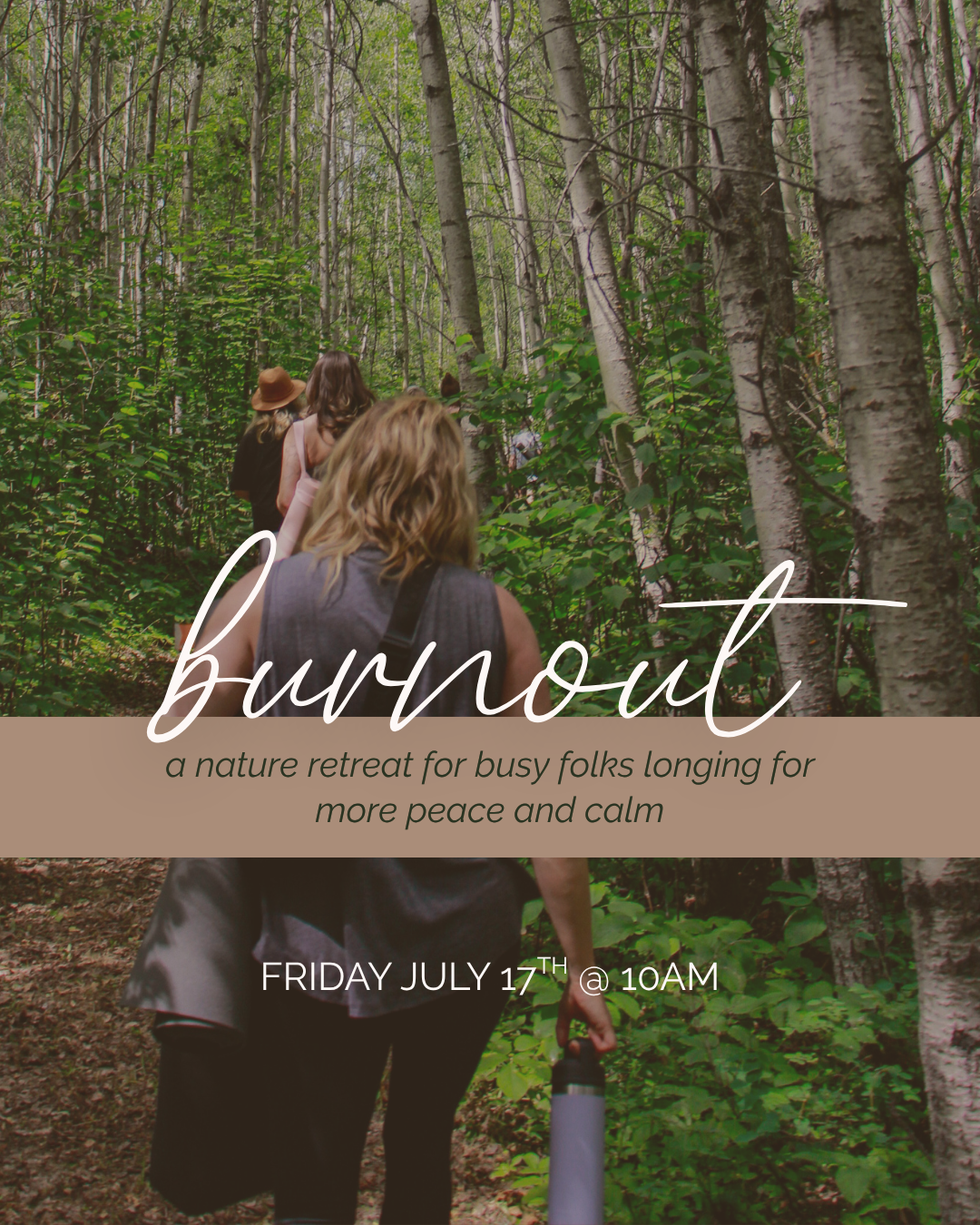
Retreats in the Alberta forest - What we offer in Leduc County
Leduc County is in the heart of Alberta, about 45 minutes south of Edmonton and about two and a half hours from Calgary. It's the kind of place where the light comes through the trees in a way that makes it easy to exhale.
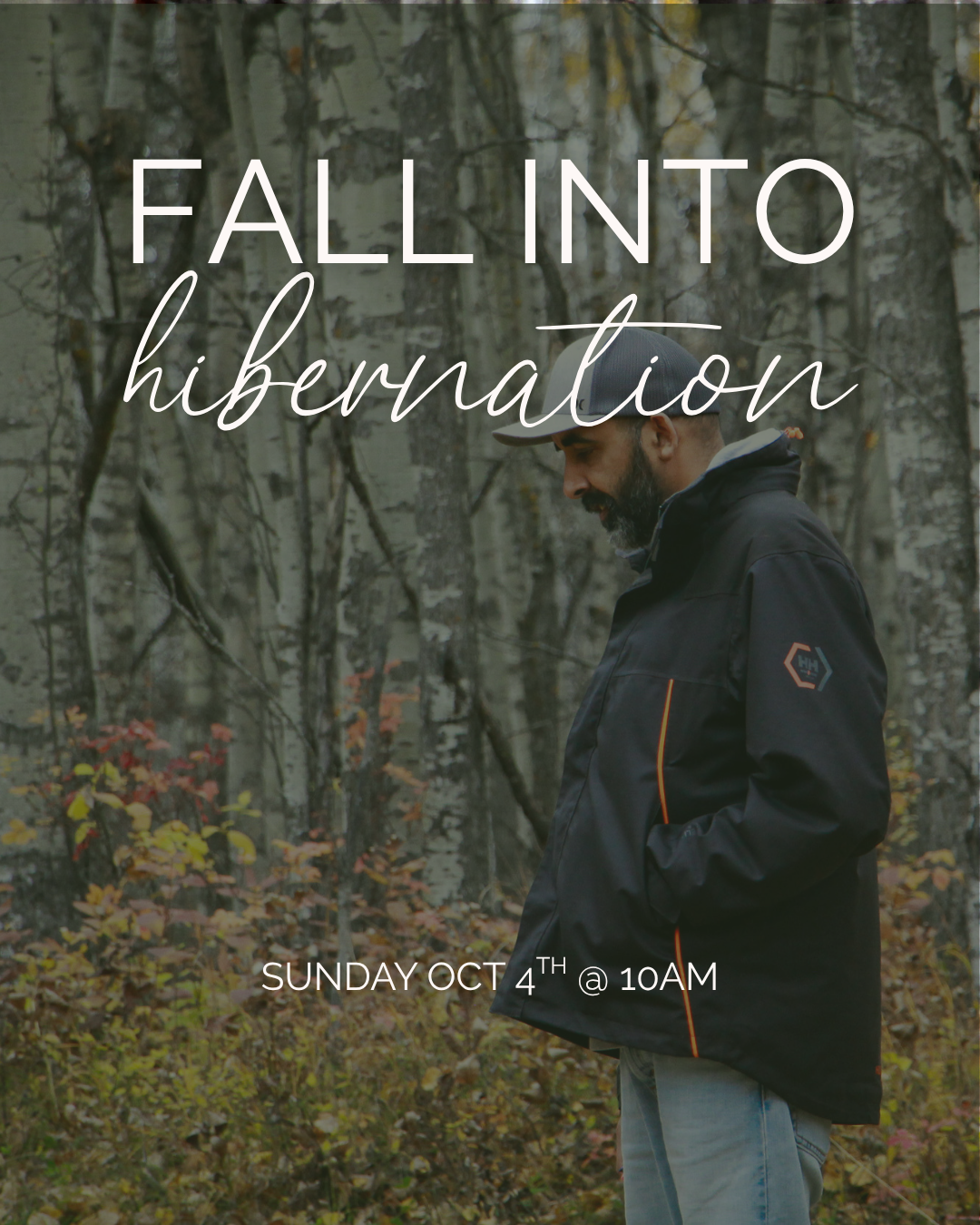
Our seasonal nature-based wellness retreats in Alberta aren't about getting away from your life. They're about returning to yourself.
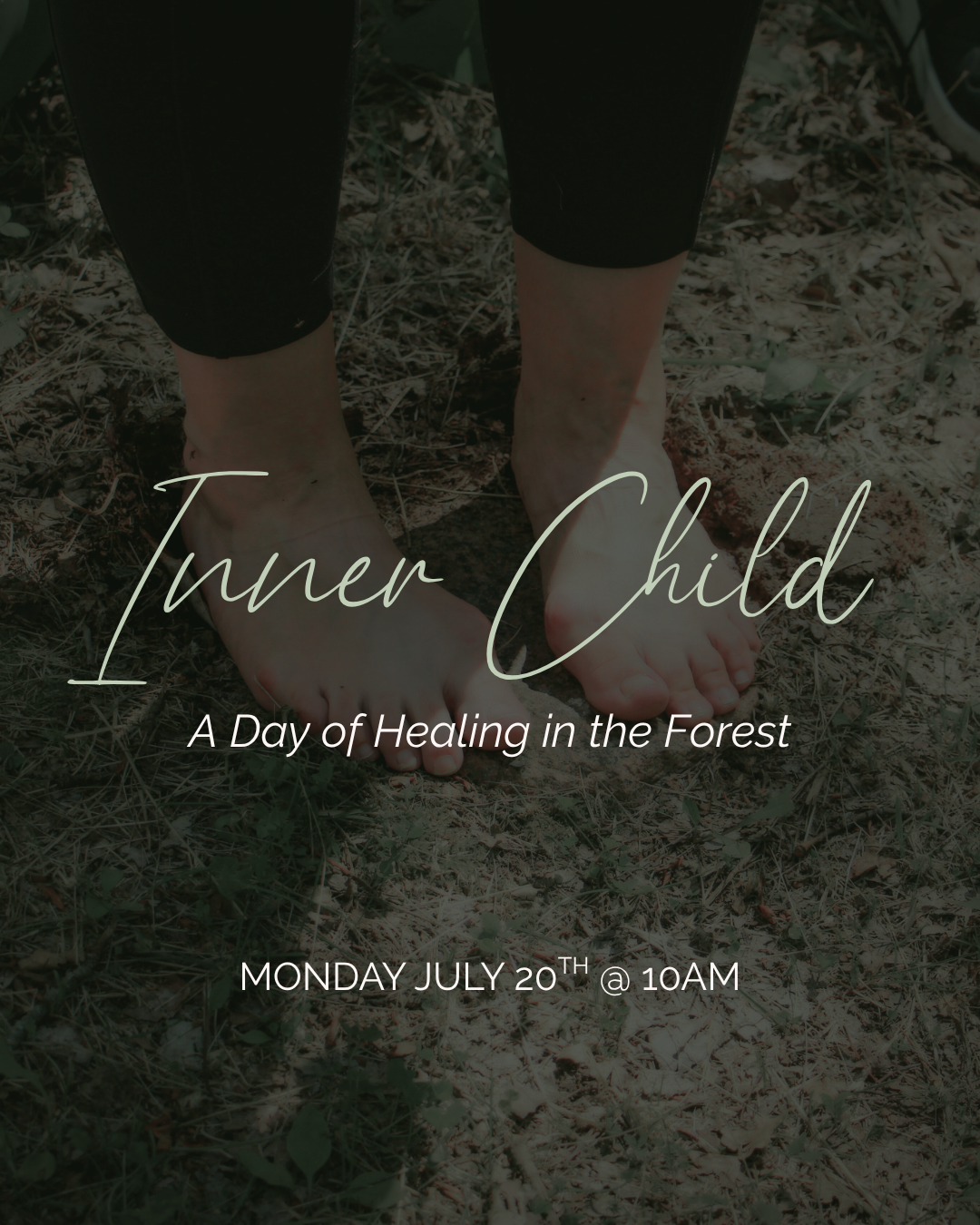
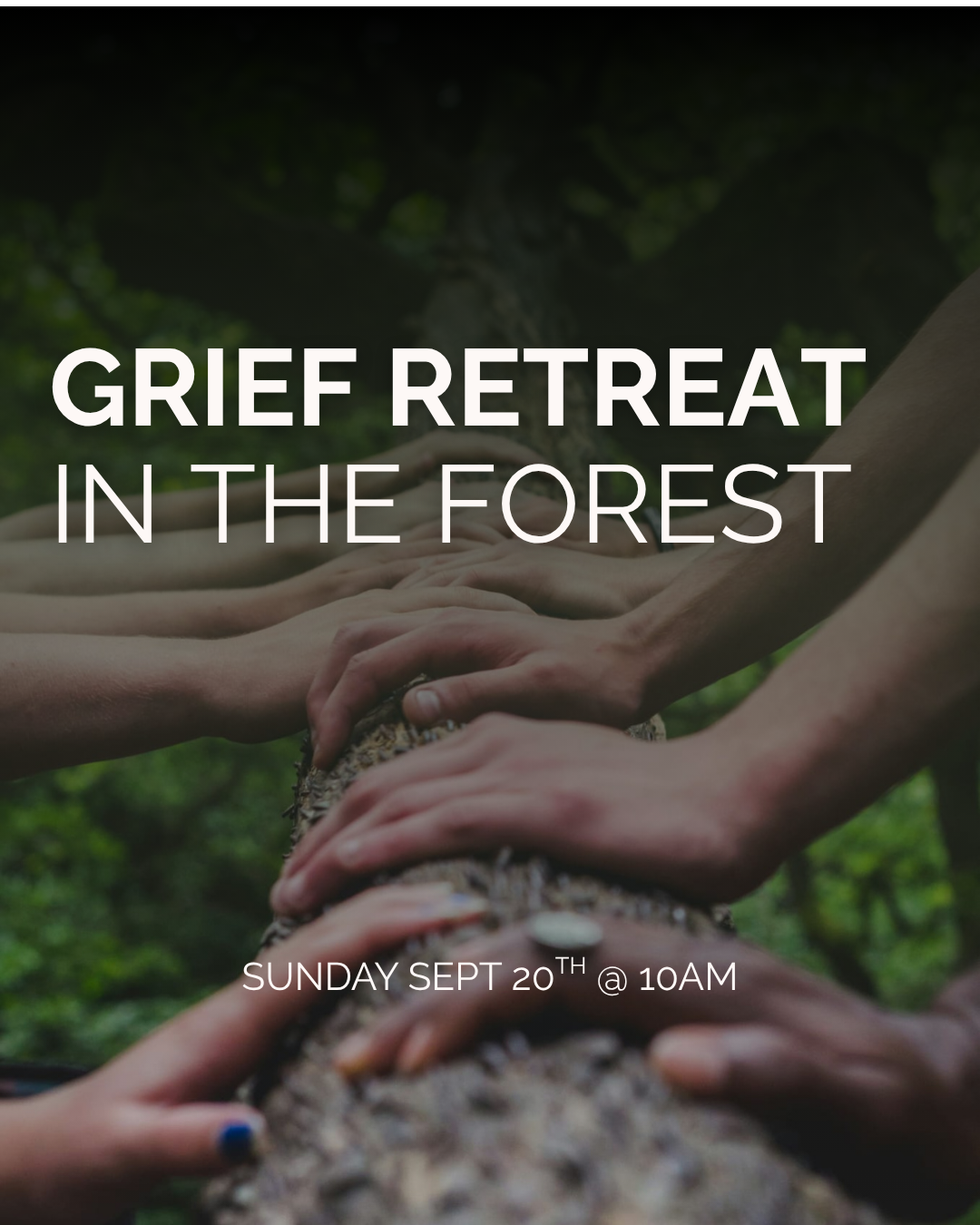
We bring together guided forest therapy, somatic practices, and the kind of slow, held space that your nervous system actually needs to settle.The trees. The ground. The sounds that have nothing to do with productivity.
You don't need to know what somatic means.
You don't need to be in crisis.
You could be someone who has been going hard for a long time and is ready to feel what it's like to stop.
You could be someone who is looking to explore new ways of connecting to your self and the natural world.
Spots for this 2026 retreat season are limited
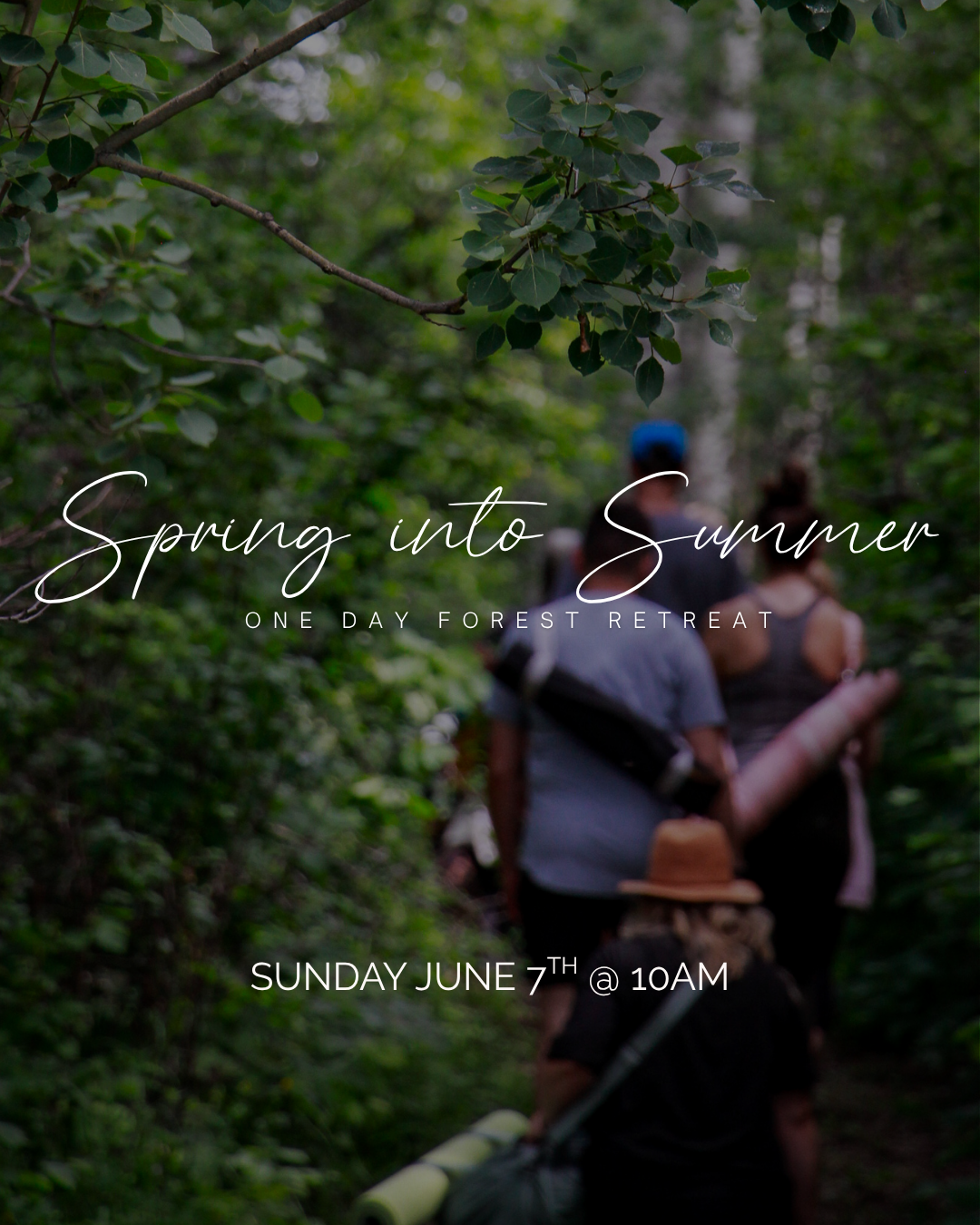
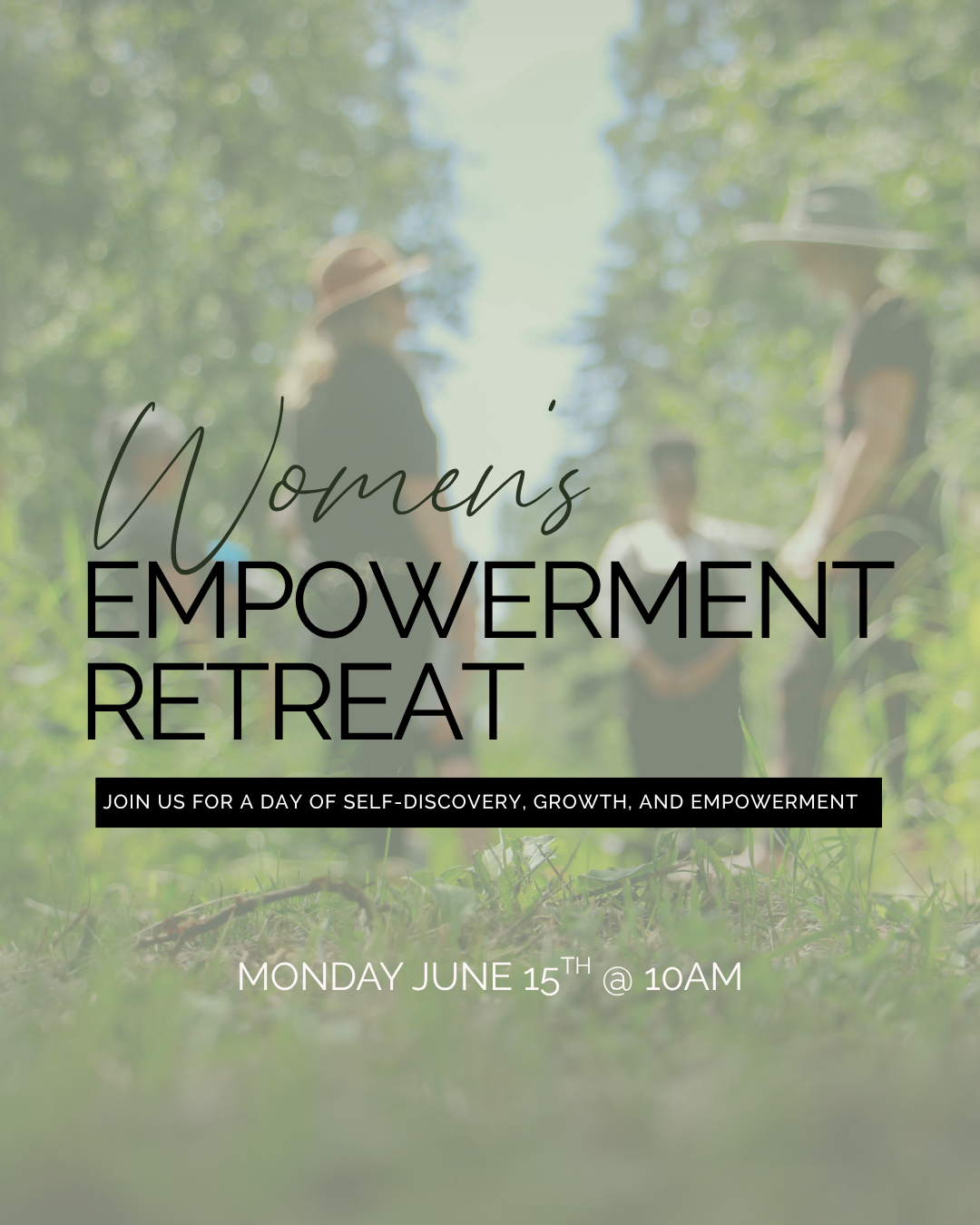
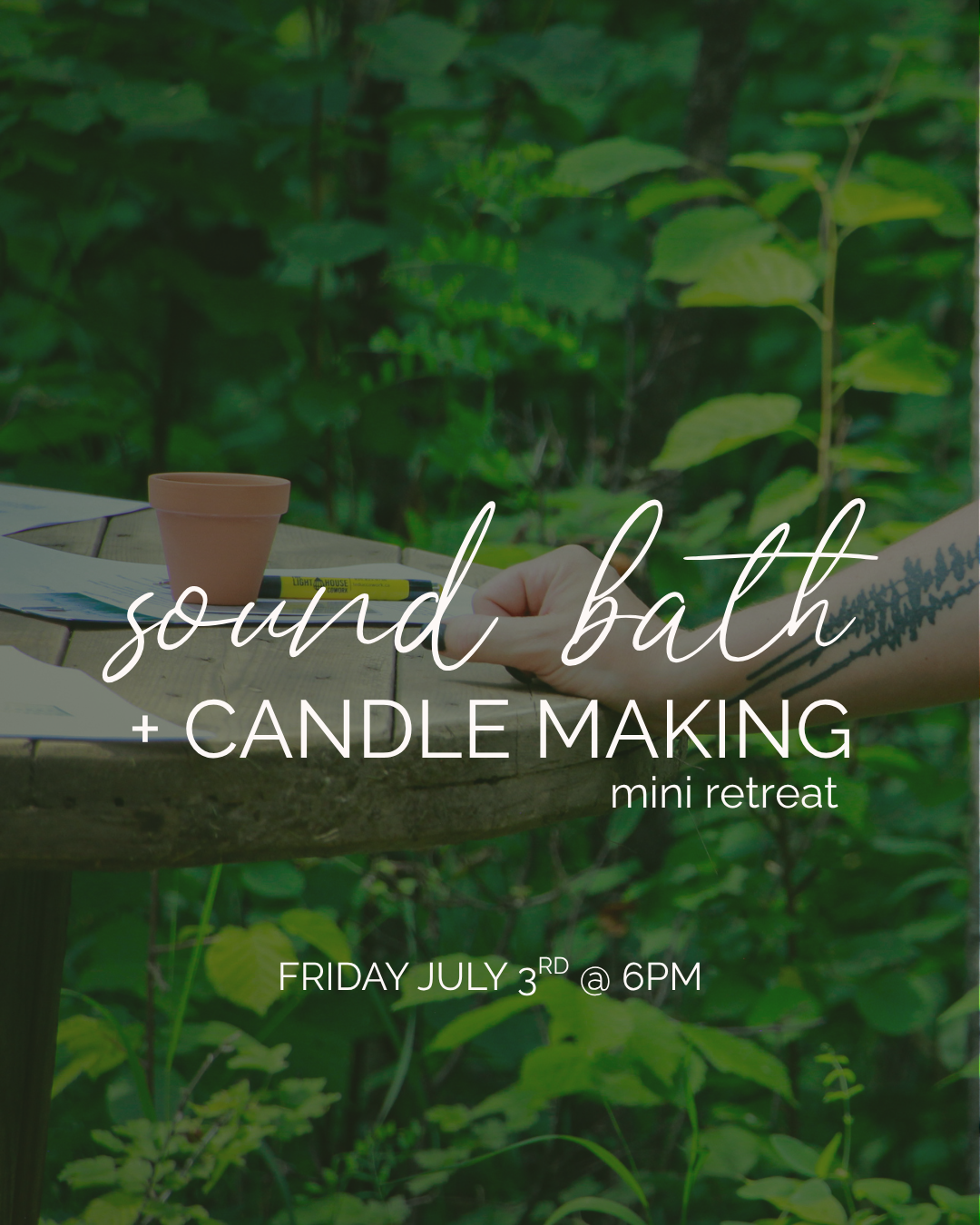

If something in this post landed for you, that's worth paying attention to.